Every morning at seven, an agent reads the news for us
We don't look for ideas, we look for problems business owners have right now. An agent scans the Dutch news every morning. Here is how it works, and how Quote Check came out of it.

- Claude
- Google News
- Gmail
- Officiële Bekendmakingen
We have plenty of ideas. Our ideas folder runs to dozens of pages. But an idea is not a customer. What's scarce is a problem a business owner has right now, that comes back every week, and that already has money attached to it.
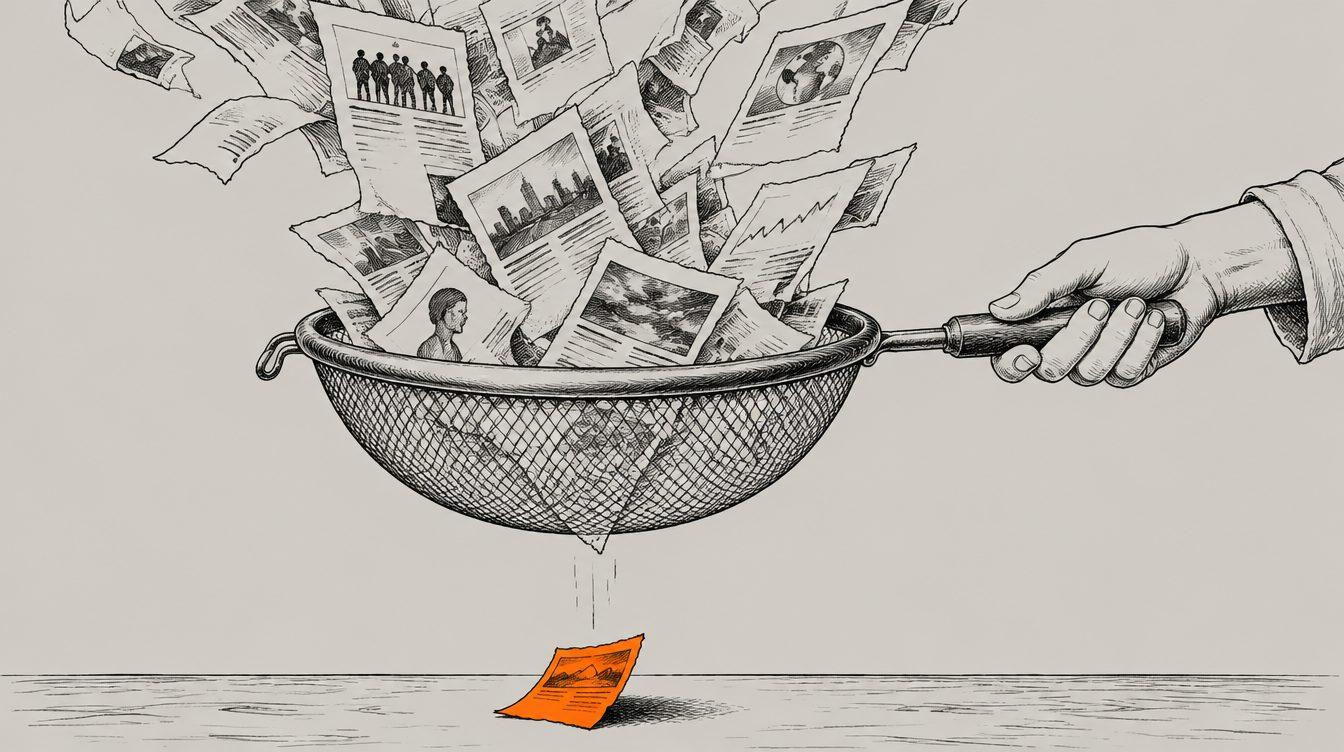
So every morning at seven, an agent reads the Dutch news for us. Weekends included. It doesn't look for trends or for what's "hot". It looks for pain.
Why the news?
A news story has three things a loose idea lacks:
- A date. The problem is happening now, not "someday".
- A source. Someone else wrote it down, often with names and numbers.
- An opening. "I read in last week's paper about…" is a far better first line than "We have a tool".
Regional papers, trade press and official municipal notices are a gold mine. A street closed for weeks, a new rule with a deadline, a sector short of staff: it's all there, with a date on it.
What the agent does
- SearchFresh news from the last few days, on words like shortage, new rule, complaint, waiting list, lost revenue.
- WeighIs this inside a work process that recurs every week? Who pays? Can a small tool solve it?
- WritePer opportunity: problem, solution, what the tool looks like, effort, what's unclear, and the source.
- EmailThe list goes to one address: the founder's. The agent sends nothing to anyone else.
A list of stories it has already seen keeps the same news from coming back twice. And every opportunity gets a score from 0 to 100, with the evidence against it included. An agent that only gives reasons for is a salesman, not a researcher.
The rules that keep the noise out
An agent that has to find something every day will find something every day. Even when there's nothing. So we have hard rules:
- A source you can open. Every opportunity links to the story it came from.
- No invented amounts. If the agent says what a problem costs, there is a source or a calculation with its assumptions. A number without support doesn't count.
- Variety. Not five opportunities from the same sector or with the same trick. Two of a kind at most.
- No consultancy and no courses. We look for tools that take work over, not for training about AI.
- An empty day is allowed. If nothing passes the test, there is no opportunity. A weak one to fill the day is worse than none.
- A nice idea with no buyer
- A one-off deadline that's gone next month
- A sector with no budget
- Advice or a course
- A problem that comes back every week
- Inside a work process that matters
- At businesses that can pay
- Solvable with a small tool
From story to tool: Quote Check
- 22 October 2026The Belgian FPS Economy publishes the results of an inspection of solar panel and heat pump installers.
- The next morningThe story tops the scanner's list.
- After thatA mockup of Quote Check: put your quote next to the rules and see what's missing.
of the inspected installers did not meet the rules for quotes and order forms.
The problem comes back with every quote, the rules are in black and white, and a mistake costs an installer money. Exactly the kind of problem we look for. That's how Quote Check started, still a mockup for now. Ordertolk, which turns loose orders from email into clean orders, also began as an opportunity from this scanner.
One thing we learned along the way: who may you email?
Finding an opportunity is one thing. Approaching someone is another. In the Netherlands you can't just send unsolicited commercial email to a sole trader or a general partnership: that needs prior consent. To a private limited company (bv) it is allowed, as long as unsubscribing is easy. So the agent also checks the legal form. For a sole trader the route is a contact form or the phone, not email. (This is not legal advice; check the regulator's current guidance.)
What the human does
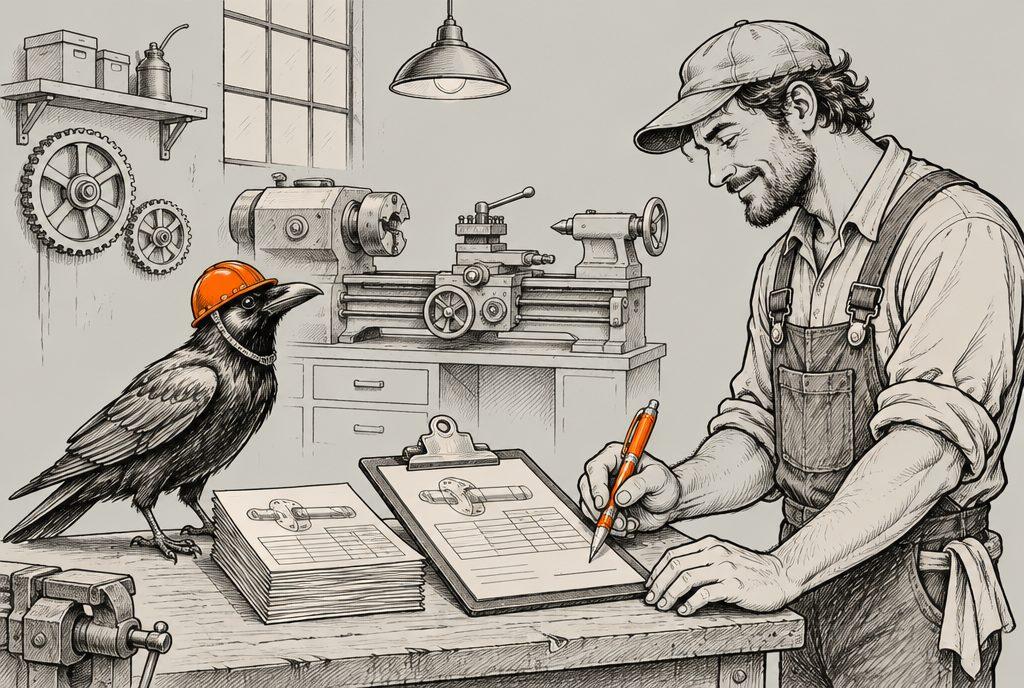
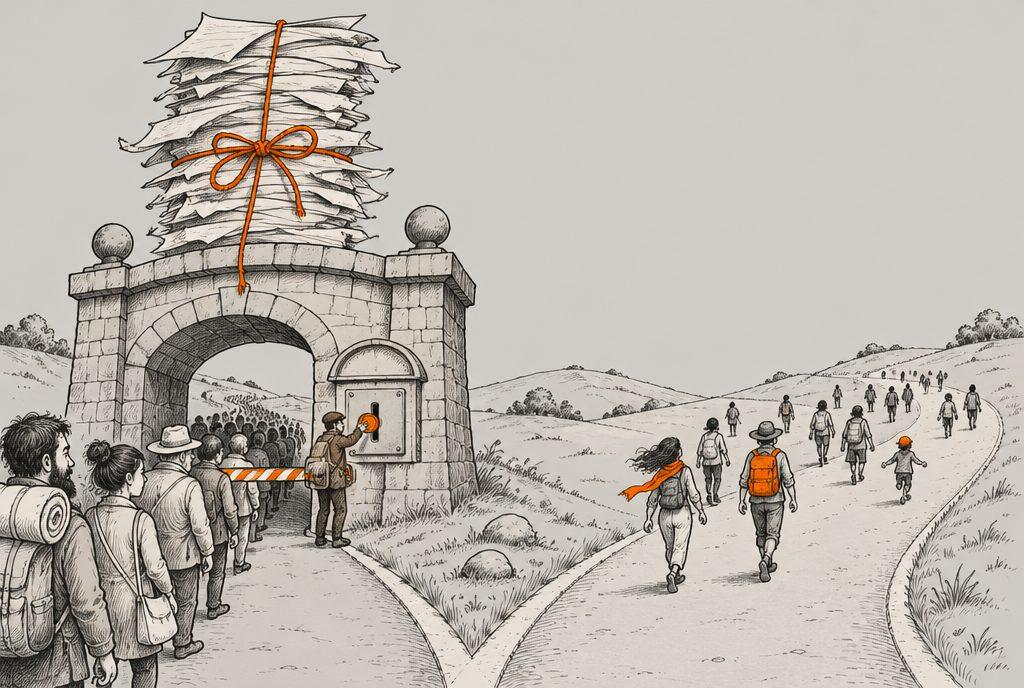
That isn't distrust. It's a division of roles. The agent is good at reading and sorting, every day, without getting tired. A person is good at judging who you should and shouldn't call.
Try it yourself
You can start small. Pick your own sector and let an agent read the news about it every morning, with one question: which problem comes back every week, and who pays for it? Add three rules:
- Put the source with every opportunity.
- No amounts without support.
- An empty day is a good day.
After two weeks you'll know whether there's something in it. And you'll read your own market better than ever.
This piece was written with the help of AI and checked by a human before it went online.
- Agents
- Automation
- Claude
- Money & markets
- Agents
- Claude
- NVIDIA
- Mistral