01 / 07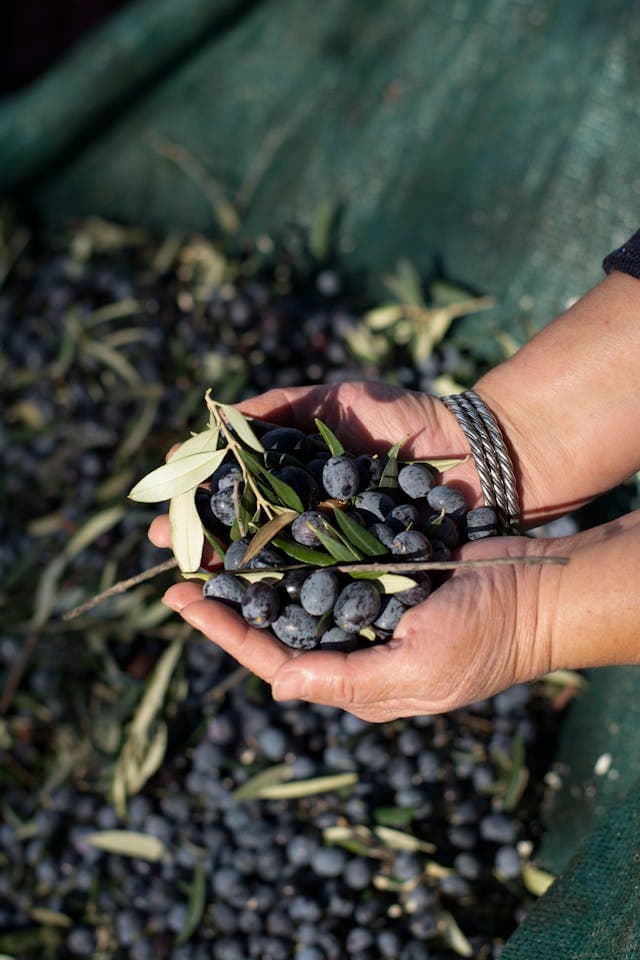
First light
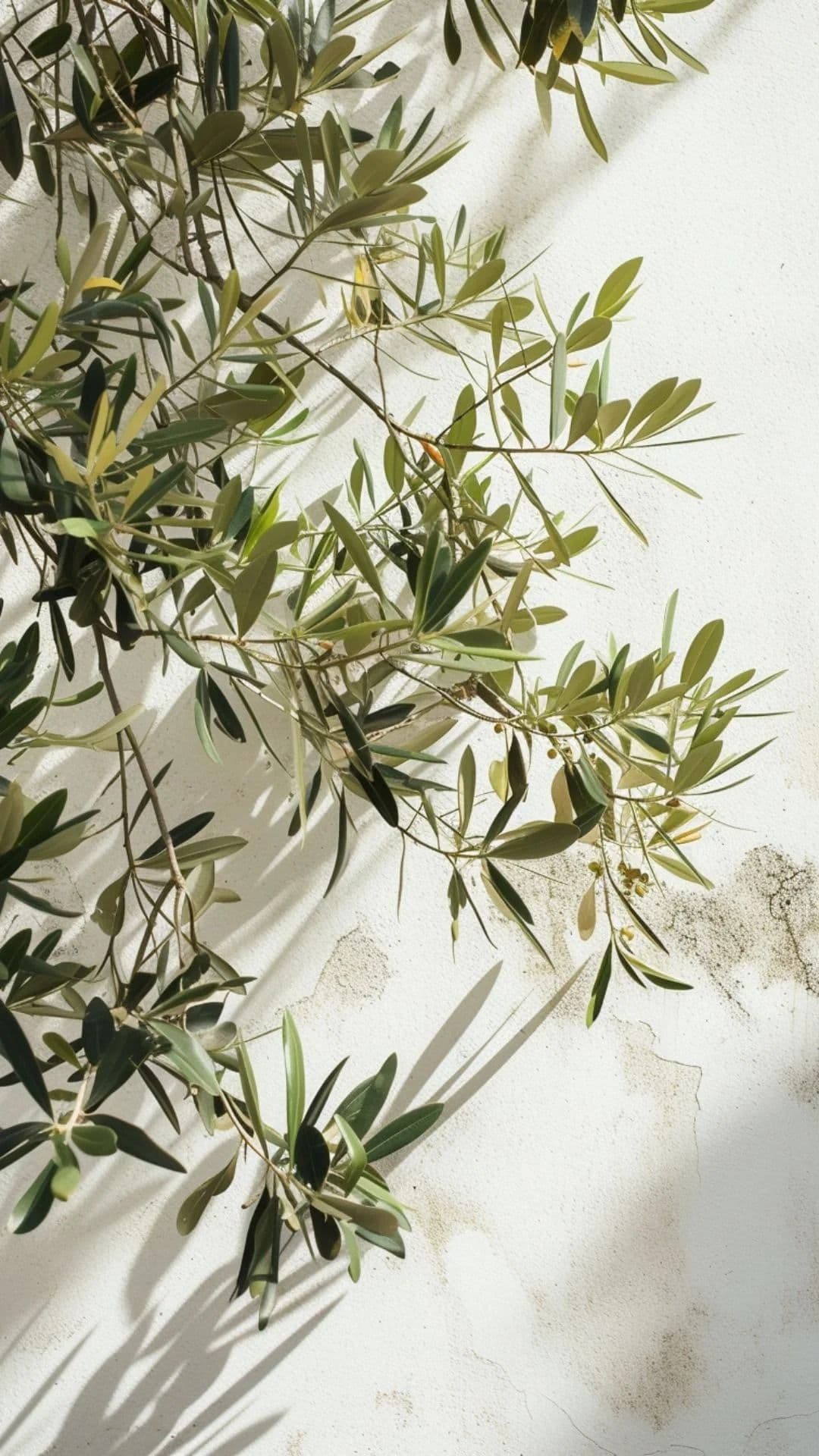
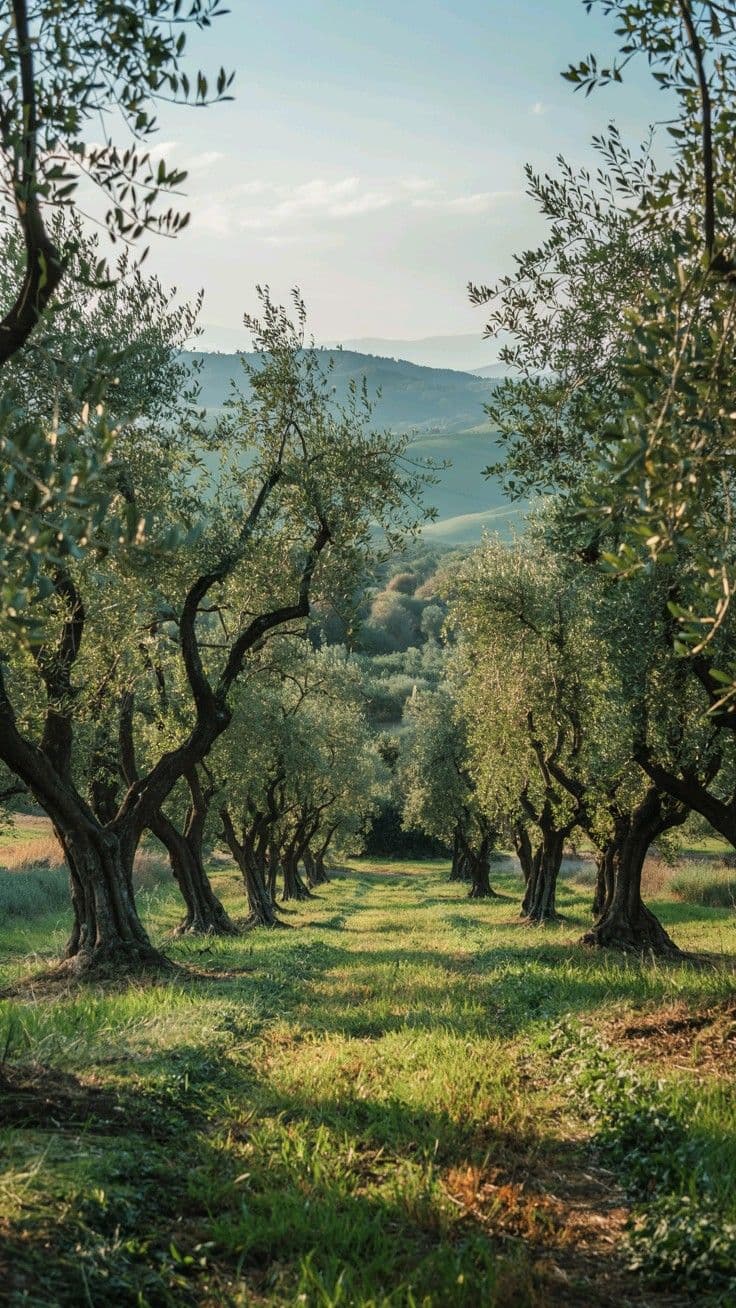
05:42The grove wakes before we do. Mist sits in the rows until the sun clears the stone wall to the east.
Giulia and Matteo inherited the land from their grandmother in 2022. The trees — Ogliarola Salentina and Cellina di Nardò — have stood, in some cases, for four centuries. The grove sits between Cisternino and Ostuni, on a plateau where the wind comes off the Adriatic and the soil is the colour of brick.
They press once. November, after the first cool nights. The fruit comes off the tree still half-green; the oil is bright, grassy, almost peppery on the back of the throat. There is no second label, no reserve, no story for export. The bottles leave the press, the press closes for the winter, and the trees are pruned in February by the same two pairs of hands.
The grove wakes before we do. Mist sits in the rows until the sun clears the stone wall to the east.
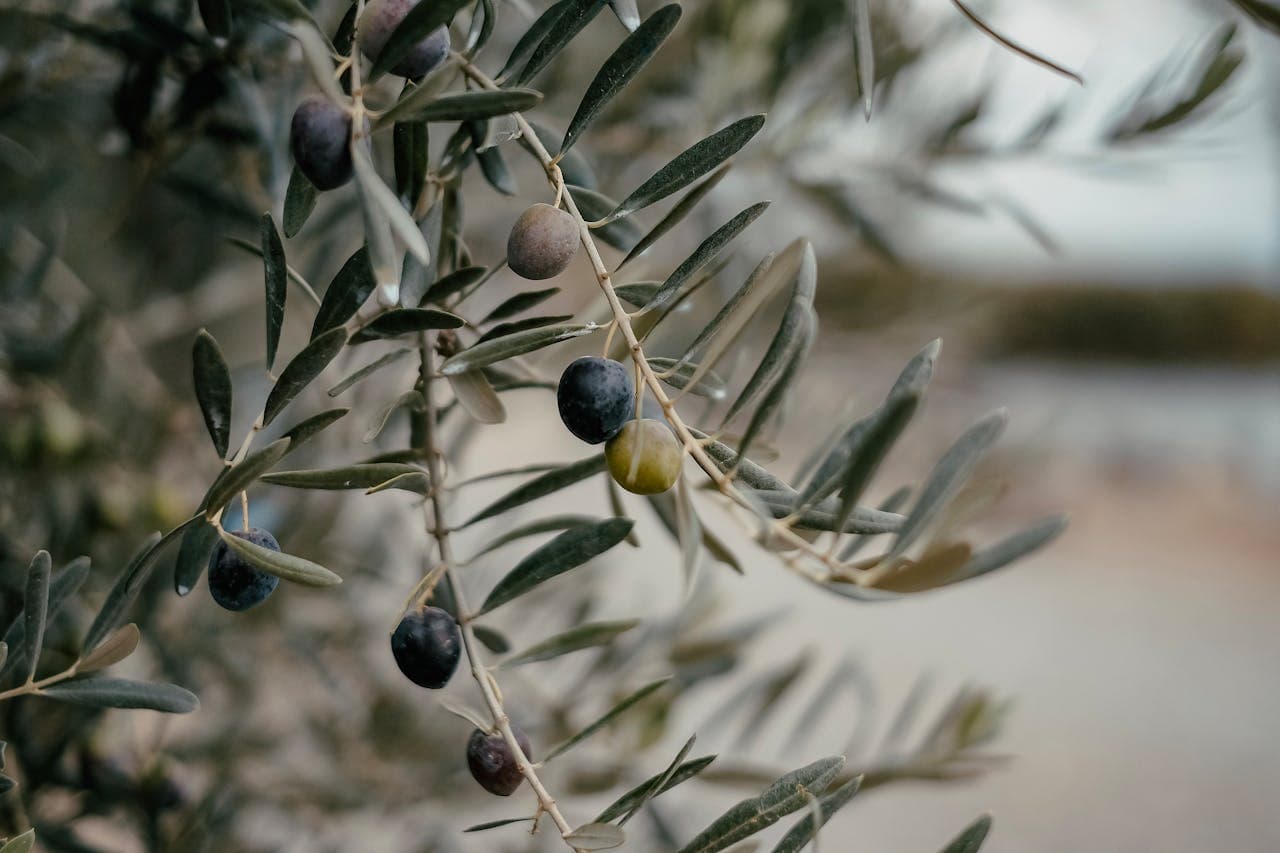
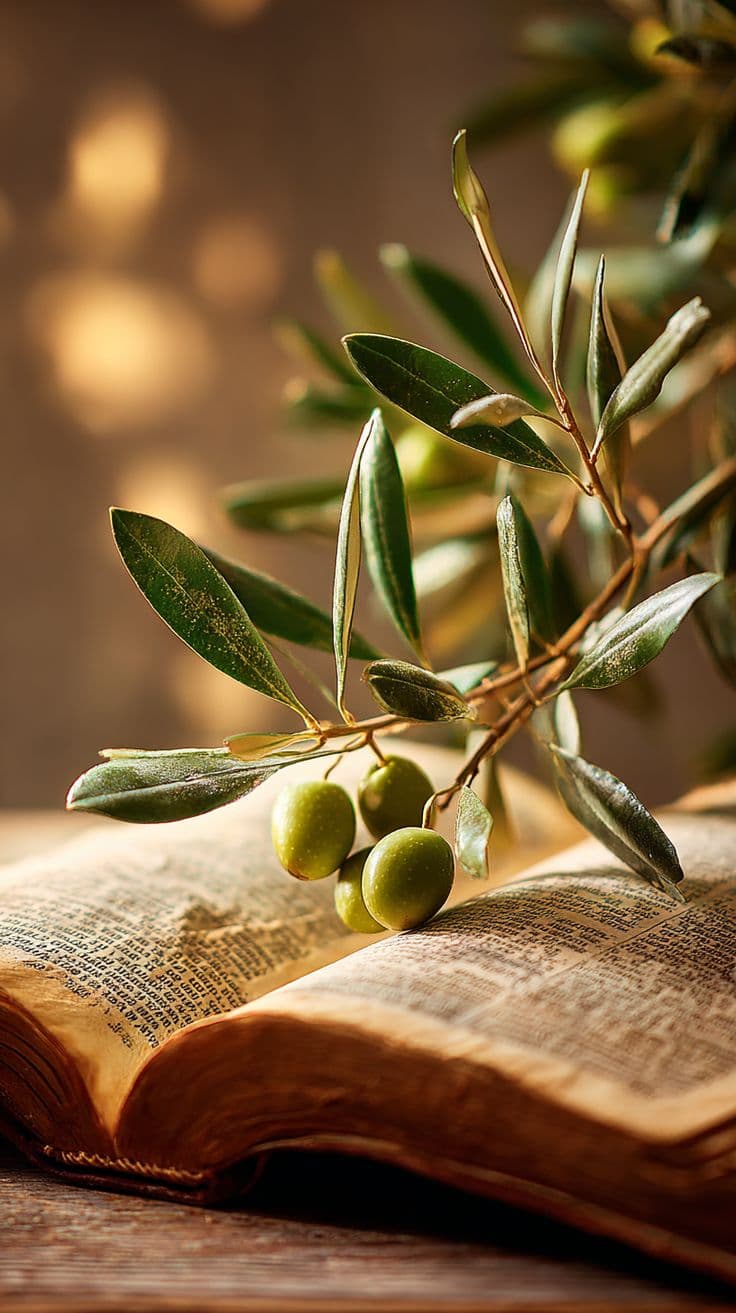
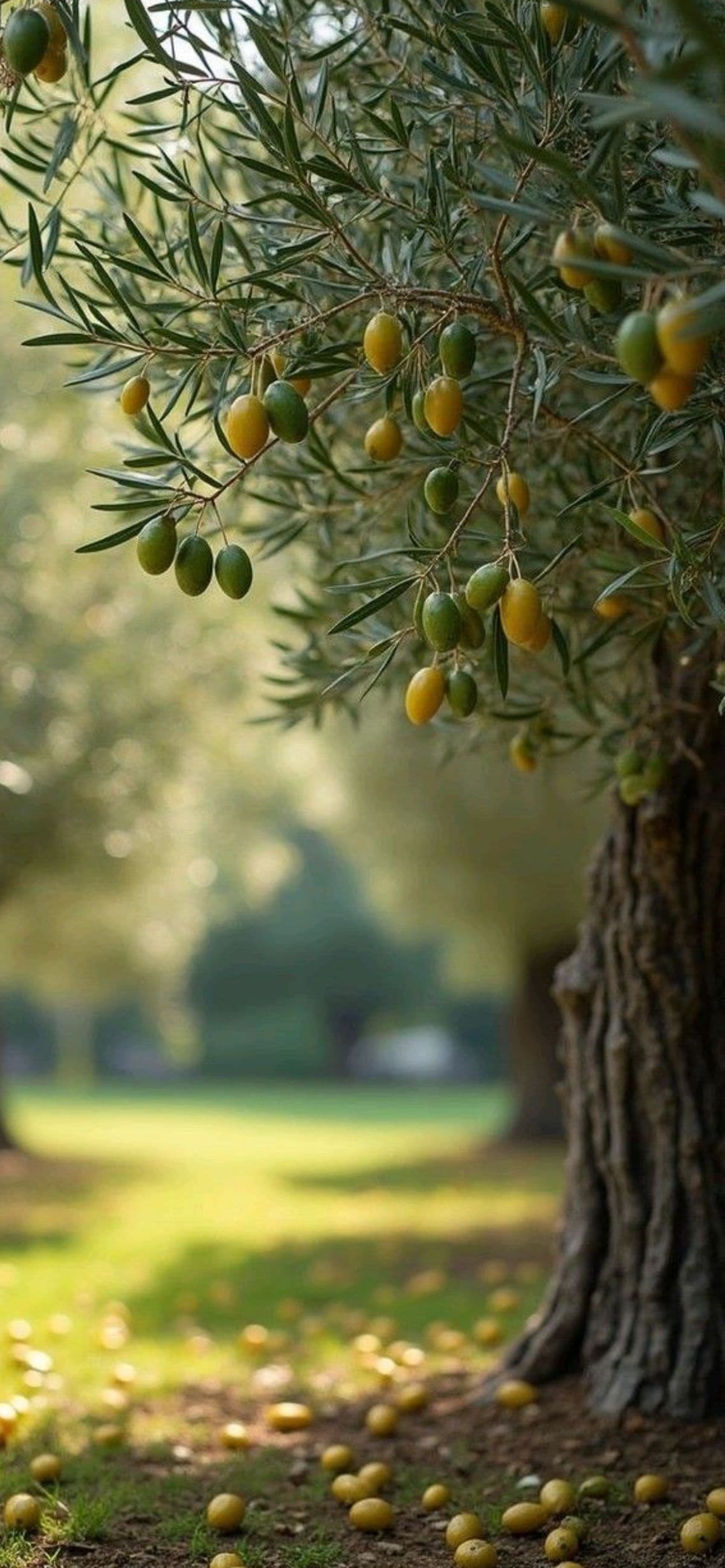
Half green, half blushing. We pick on the early side — the oil is brighter, the colour less golden, the flavour grassy.
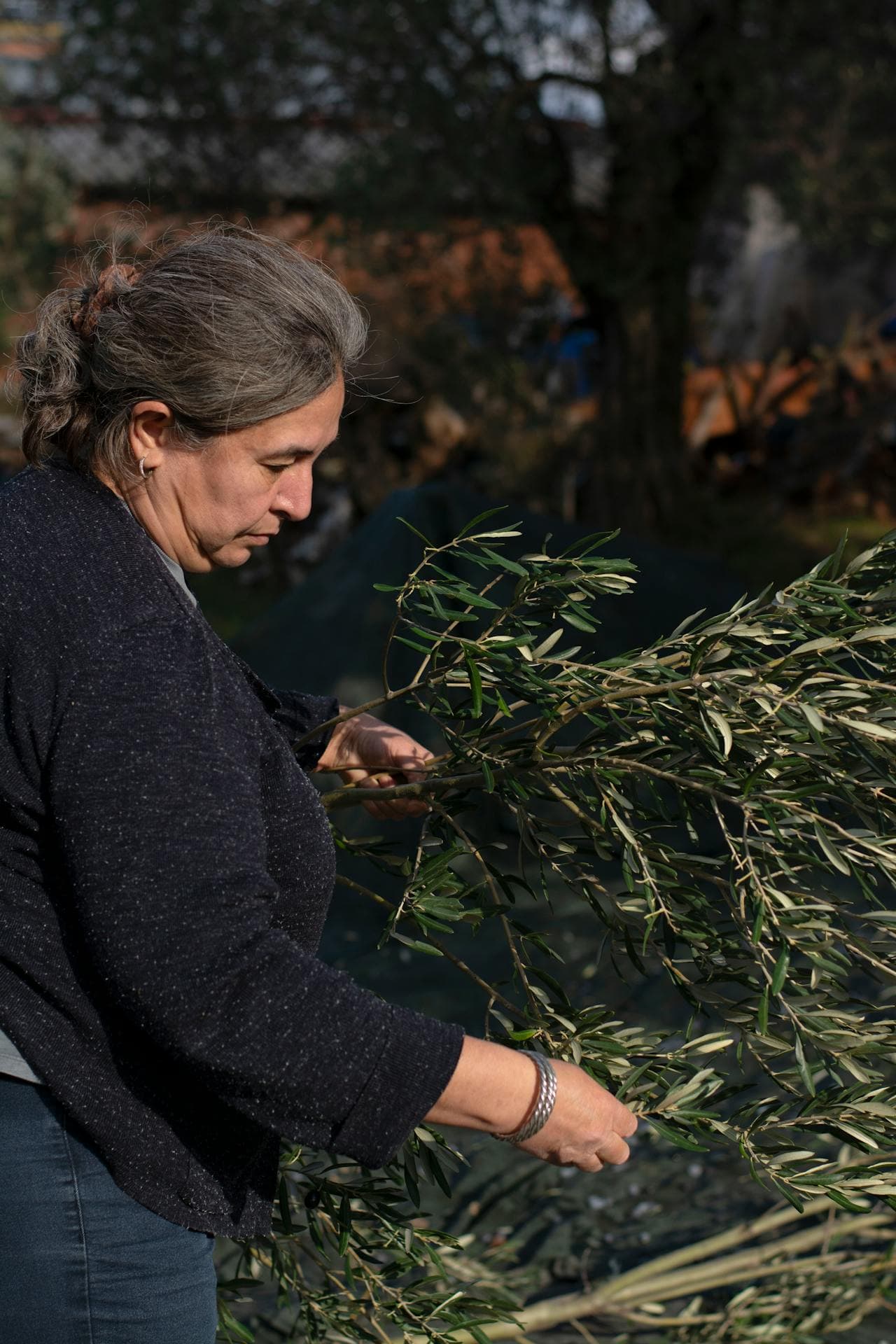
No combs, no shakers. Hand-picked into shallow crates so nothing bruises on the way to the press.
Six hours, picking to press. The frantoio is fifteen minutes down the hill in Ostuni. We wait our turn.
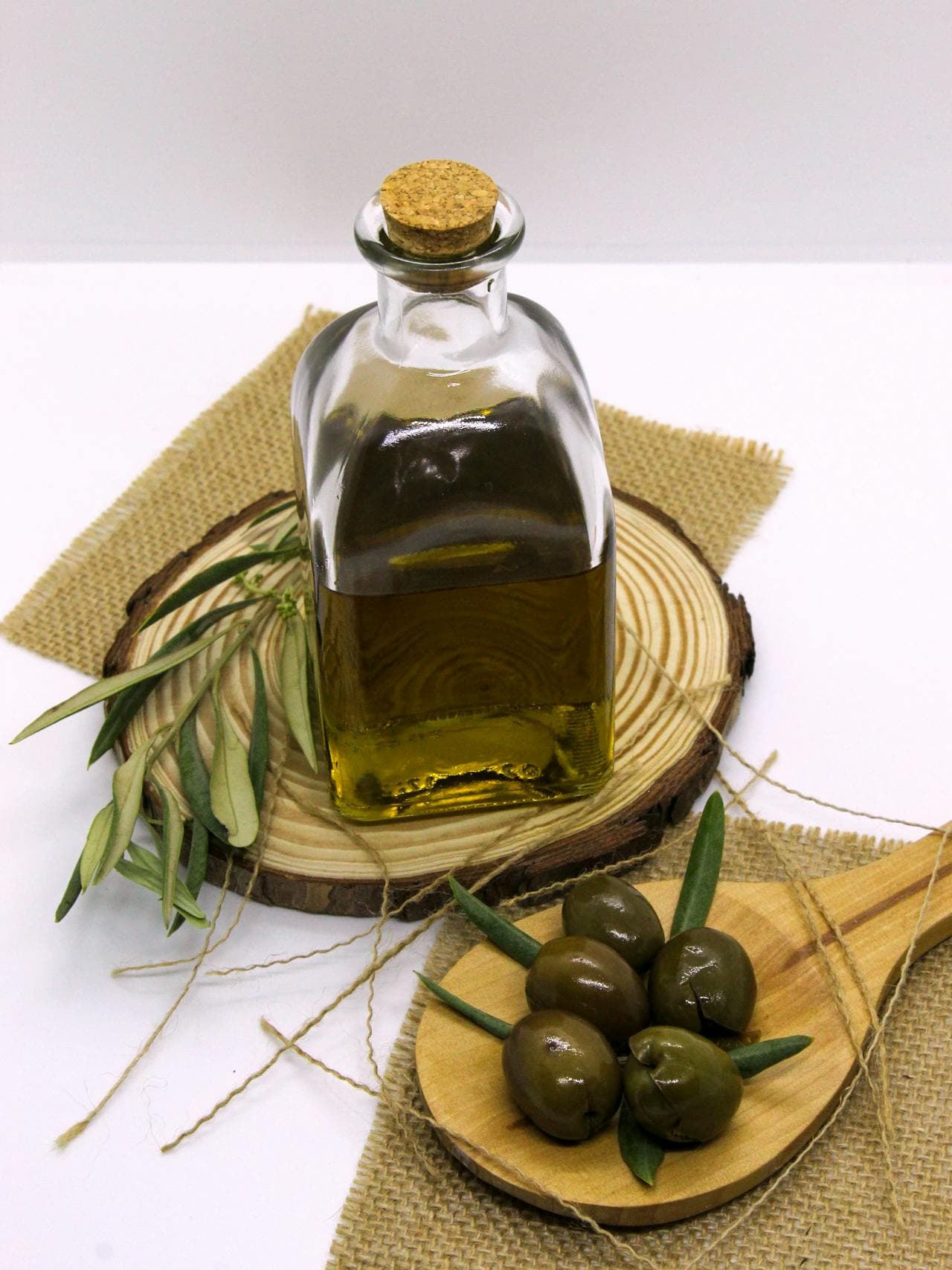
Stone mill, then a continuous extractor at 24°C. The first oil comes out the colour of unripe lemons.
Three weeks in stainless steel, in the dark. The sediment settles. We taste before we bottle, never the other way around.
Each bottle is numbered by hand. When the last one ships, the website goes quiet until next November.
The grove sits on the Itria Valley plateau, between Cisternino and Ostuni, where limestone soil meets Adriatic winds. The region has pressed olives since Roman times — these trees continue a line that runs back centuries.
Coordinates: 40°44′21″ N, 17°24′57″ E
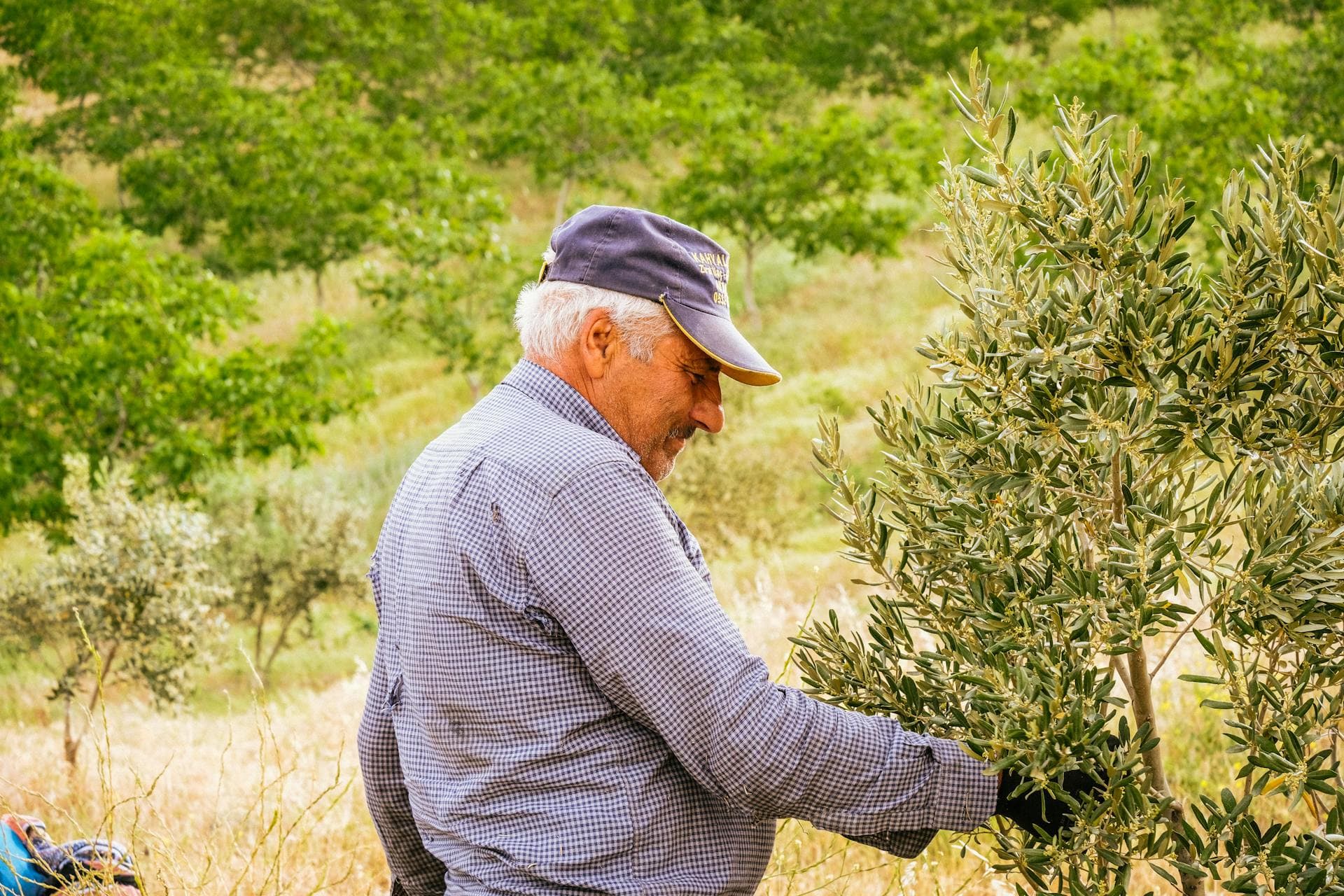
Their grandmother left them the grove in 2022. Not as an investment or a weekend escape, but as a question: Will you?
Giulia had been working in Milan. Matteo was teaching in Bari. Neither had lived in Cisternino for more than a decade. But the trees had been there — thirty rows, three hundred trunks, some of them four centuries old — waiting.
The first year, they hired help. The second, they didn't. By the third November, they knew which branches needed cutting in February, which trees gave the greenest fruit, and which stretch of the grove caught the wind off the Adriatic just after dawn.
There is no romantic story here. The work is hard: backs bent, hands cracked, November mornings that start before light. But there is a rhythm to it that neither of them had found in the city — a way of marking time by what the land asks of you, rather than what you ask of it.
They press once a year. They bottle by hand. When the last bottle ships, they close the site and spend the winter pruning. If you write in December, you will not hear back until March.
This is not a brand. It is what they do with their hands, every year, in the same grove their great-great-grandfather worked. And when the oil runs out, it runs out.
Each bottle leaves the estate with a hand-written number, the date of its pressing, and the names of the two people who picked the olives that filled it. When the last bottle ships, the cellar is empty and the site goes quiet.
If you'd like one of the 2024 lot, the order form is on the right. Shipping in early March — once the oil has rested through the winter.