01
Stage One
Pour
The moment of commitment. Once the pour begins it does not stop. The crew works through the night. The truck arrives every twelve minutes. Every error is fossil from this moment forward. We design for that finality, not against it.
“Concrete remembers everything — the formwork, the rain on pour day, the fingerprints of the crew. We build with that memory in mind.”
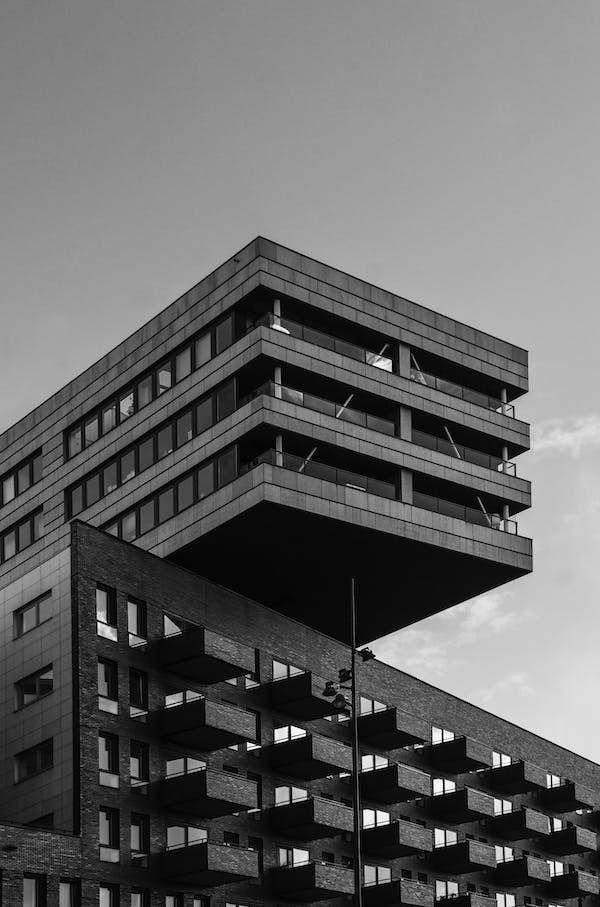
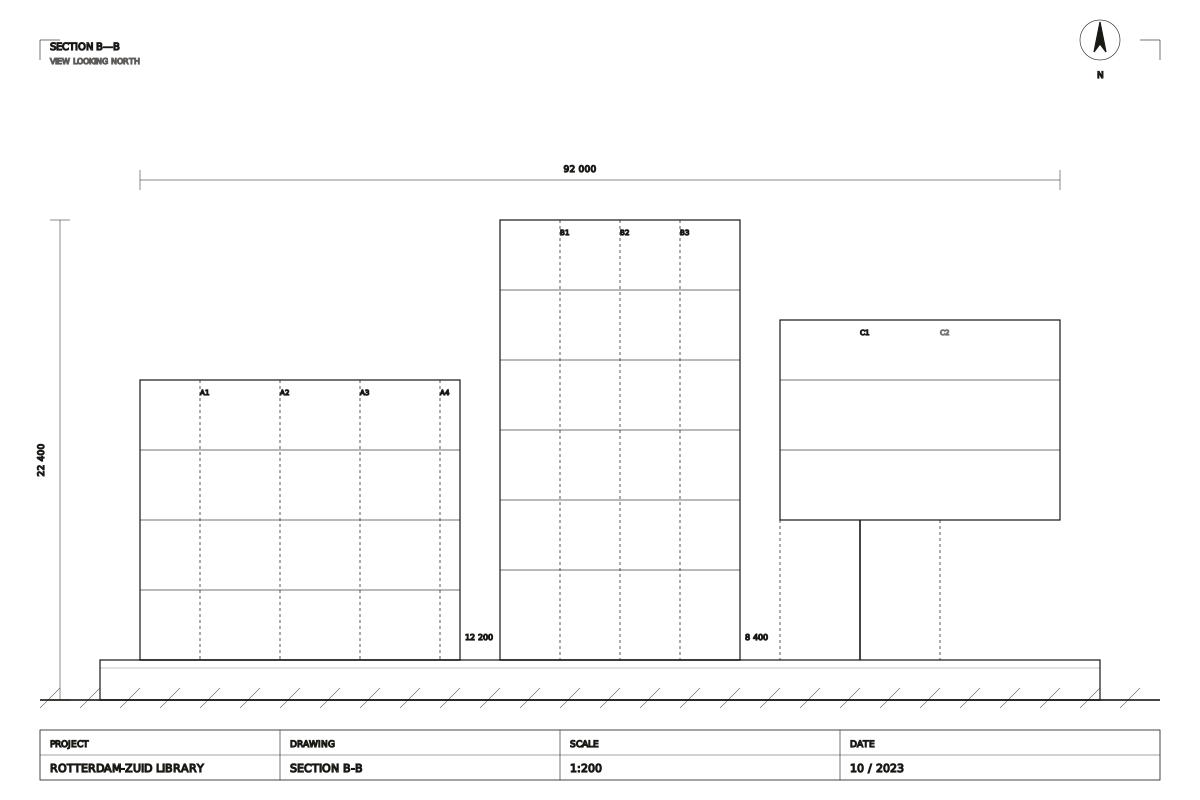
Built for 380,000 books and the people who read them. Three concrete masses, cantilevered over a public plaza. The plaza floods in winter. We let it. The library remembers.
Formwork was board-marked Douglas fir from a yard in Schiedam. The marks stayed. The building was poured in fourteen sections over nine months. Each pour is visible if you know where to look.
It is not a beautiful building. It was not meant to be. It is a useful one, and that is rarer.
The moment of commitment. Once the pour begins it does not stop. The crew works through the night. The truck arrives every twelve minutes. Every error is fossil from this moment forward. We design for that finality, not against it.
The moment of restraint. Formwork is the negative of the building. We cut it from rough timber and we leave the marks visible. A wall that hides its making is a wall ashamed of itself. Concrete should remember the boards that shaped it.
The moment of patience. Concrete cures for twenty-eight days, weathers for twenty-eight years, and outlasts everyone who poured it. We design at three speeds at once. The building will be older than its architects. We accept that as a brief.